
"inspection standard"
600 article(s) found

Introduction to the characteristics of Ethiopian boutique coffee bean flavor and taste manor with suitable acidity
In Ethiopia, the grading and quality control system of coffee is divided into three levels: producer, regional and national. All coffee is inspected by local inspection agencies before leaving the country of origin, and then re-tested at the coffee inspection and grading centers in Addis and Diredawa to determine its quality grade. Coffee is graded before auction and sale, for all involved in production, acquisition,

Introduction to the unique flavor description and taste characteristics of the Yega Shiffiwaka coffee producing area
In Ethiopia, the grading and quality control system of coffee is divided into three levels: producer, regional and national. All coffee is inspected by local inspection agencies before leaving the country of origin, and then re-tested at the coffee inspection and grading centers in Addis and Diredawa to determine its quality grade. Coffee is graded before auction and sale, for all involved in production, acquisition,

MANNER apologized! In response to the Shanghai store has been closed for rectification, and will carry out self-inspection!
Many people will be happy to return to work and production. Isolated at home for many days, it is not easy to get coffee freedom, and it is very lucky to have a coffee shop that is open near home and can take out. However, MANNER Coffee (Shanghai Wujiang Road store) is the market in Jing'an District.

"same line, same standard and same quality" promotes Yunnan small grain coffee to expand domestic and foreign markets.
First, through investigation and review, Dehong Hougu Coffee was selected as a demonstration enterprise from 61 export coffee enterprises, and recommended to the Commission of recognition and Supervision on the same-line, same-standard and homogeneous public service platform. The second is to help enterprises compare and unify domestic and export standards, and guide enterprises to produce deep-processed products with high value, good economic benefits, such as instant coffee and roasted coffee powder, which are easily accepted by domestic and foreign markets.

Introduction to the planting environment of Ethiopian coffee
Due to different planting methods, coffee can be divided into three types: forest-semi-forest coffee (Forest or semi-forest coffee), courtyard coffee (Garden coffee) and plantation coffee (Plantation coffee). 60% of the coffee belongs to forest-semi-forest coffee. In such a wild coffee forest, pesticides are not used at all, but biological methods are used to control pests. 35%

Introduction to the producing area of characteristic flavor varieties of sun Xidamo Lion King Coffee Bean
The average price in March 2004 was 60.8 cents per pound, an increase of 50% over the price in September 2001. This is great news for Ethiopia, where coffee grading and quality control systems are divided into three levels: producer, regional and national. All coffee is subject to local inspection before leaving the country of origin.

Ethiopian boutique coffee introduces the taste characteristics of Ethiopian coffee Ethiopian coffee
Although the Ethiopian Yirgacheffe coffee is petite, it is gentle and delicate and sweet. As the hometown of coffee, thousands of years of planting history and processing tradition in Ethiopia have created high-quality washed Arabica beans. Light baking has unique sweet aromas of lemon, flowers and honey, soft acidity and citrus flavors, fresh and bright on the palate. Without

A brief introduction to the grinding scale production area of Ethiopian coffee beans by describing the characteristics of taste and flavor
Brief introduction of Ethiopian coffee bean characteristics, taste and flavor description method grinding scale production area Coffee is Ethiopia's most important export cash crop and the main source of Ethiopia's foreign exchange earnings. Ethiopia's coffee exports account for about 3% of the world market, making it the eighth largest coffee exporter in the world. Coffee exports increased steadily from 58000 tons in 1990 to 1995-1996.

Introduction to the Flavor description, Grinding scale and Variety treatment of Ethiopian Coffee
Coffee is Ethiopia's most important export cash crop and the main source of Ethiopia's foreign exchange earnings. Ethiopia's coffee exports account for about 3% of the world market, making it the eighth largest coffee exporter in the world. Coffee exports increased steadily from 58000 tons in 1990 to 110000 tons in 1995-1996 and remained at this level in the following years. 2001-2002

Boutique Coffee introduced by Manors in Sidamo Coffee Bean producing area of Ethiopia
Due to different planting methods, coffee can be divided into three types: forest-semi-forest coffee (Forest or semi-forest coffee), courtyard coffee (Garden coffee) and plantation coffee (Plantation coffee). 60% of the coffee belongs to forest-semi-forest coffee. In such a wild coffee forest, pesticides are not used at all, but biological methods are used to control pests. thirty-five

Introduction to the varieties of Grinding scale of Coffee Bean Flavor description in Xia Qiso producing area of Ethiopia
Coffee bean flavor description treatment method of grinding scale variety introduction washed coffee accounts for 35% of exports in Xachiso area of Ethiopia. Good quality washed coffee is processed with freshly picked fully ripe fruit, picked carefully and closely monitored by professionals. The picked clean coffee beans are pulped on the day of picking, then fermented, washed, dried and peeled. After processing

Ethiopian (mocha) coffee
The geographical environment of Ethiopia is very suitable for coffee growth. Mocha coffee is mainly grown in the southern highlands between 1100 and 2300 meters above sea level. The main coffee producing areas are Harar, Limu, Djimma, Sidamo, Kaffa, Yergacheffe and Wellega.

Ethiopian coffee flavor Ethiopian coffee variety Ethiopian coffee brand
Due to different processing methods, coffee can be divided into washed coffee (Washed coffee) and sun-cured coffee (Sun-dried coffee). Washed coffee accounts for 35% of exports. Good quality washed coffee is processed with freshly picked fully ripe fruit, picked carefully and closely monitored by professionals. The clean coffee beans picked up will be pulped on the day of picking.

Acidity and texture of Ethiopian Yega Sheffivoka Coffee Flavor Manor
Due to different processing methods, coffee can be divided into washed coffee (Washed coffee) and sun-cured coffee (Sun-dried coffee). Washed coffee accounts for 35% of exports. Good quality washed coffee is processed with freshly picked fully ripe fruit, picked carefully and closely monitored by professionals. The clean coffee beans picked up will be pulped on the day of picking.
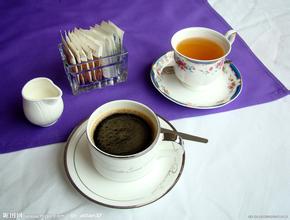
Introduction to the varieties of Ethiopian Coffee Bean Grinding scale treatment
Like the locals, I, like the locals, must have a cup of coffee before I feel that the day has officially begun. In Ethiopia, this number can rise from one to three or more. Anyway, I don't have to eat, but I absolutely have to drink coffee. Doni told me that Ethiopians drink coffee at least three times a day, with different names, Abol, Tona and Bereka, to visit friends.

Ice cubes with excessive bacteria in coffee chains were punished.
The exchange of professional baristas please follow the coffee workshop (Wechat official account cafe_style) Gaoshi Health Bureau yesterday announced the test results of raw materials such as ice products and grass tea and coffee this summer. The bulk ice cubes of 85 ℃ Qishan shops in well-known coffee shops were tested to exceed the standard number of bacteria, and the black tea of Shuangfei milk tea in Yancheng District was detected to exceed the standard of E. coli. The two retests are still unqualified, and the Health Bureau depends on food.

Acidity texture of Ethiopian Yega Sheffivoka Coffee Flavor Flavor Manor Market Development
Coffee is Ethiopia's most important export cash crop and the main source of Ethiopia's foreign exchange earnings. Ethiopia's coffee exports account for about 3% of the world market, making it the eighth largest coffee exporter in the world. Coffee exports increased steadily from 58000 tons in 1990 to 110000 tons in 1995-1996 and remained at this level in the following years. 2001-2002

Sun Coffee Ethiopian Coffee introduction Fine Coffee beans Yega Snow Coffee Gediyo Eastern Highland Mountains
Due to different planting methods, coffee can be divided into three types: forest-semi-forest coffee (Forest or semi-forest coffee), courtyard coffee (Garden coffee) and plantation coffee (Plantation coffee). 60% of the coffee belongs to forest-semi-forest coffee. In such a wild coffee forest, pesticides are not used at all, but biological methods are used to control pests. thirty-five

Sun Coffee Ethiopian Coffee introduction Fine Coffee beans Yega Snow Coffee Gediyo Eastern Highland Mountains
Due to different planting methods, coffee can be divided into three types: forest-semi-forest coffee (Forest or semi-forest coffee), courtyard coffee (Garden coffee) and plantation coffee (Plantation coffee). 60% of the coffee belongs to forest-semi-forest coffee. In such a wild coffee forest, pesticides are not used at all, but biological methods are used to control pests. thirty-five

Bean hunter's "bean selection notes"! There are four criteria for selecting coffee beans.
Professional coffee knowledge exchange more coffee bean information Please pay attention to coffee workshop (Wechat official account cafe_style) Coffee raw beans are a kind of agricultural products, that is to say, even beans from the same estate are affected by a variety of subjective and objective conditions, the quality of each batch may not be the same, how to avoid buying raw beans into random or similar gambling situation, has always been a professional bean hunter / student